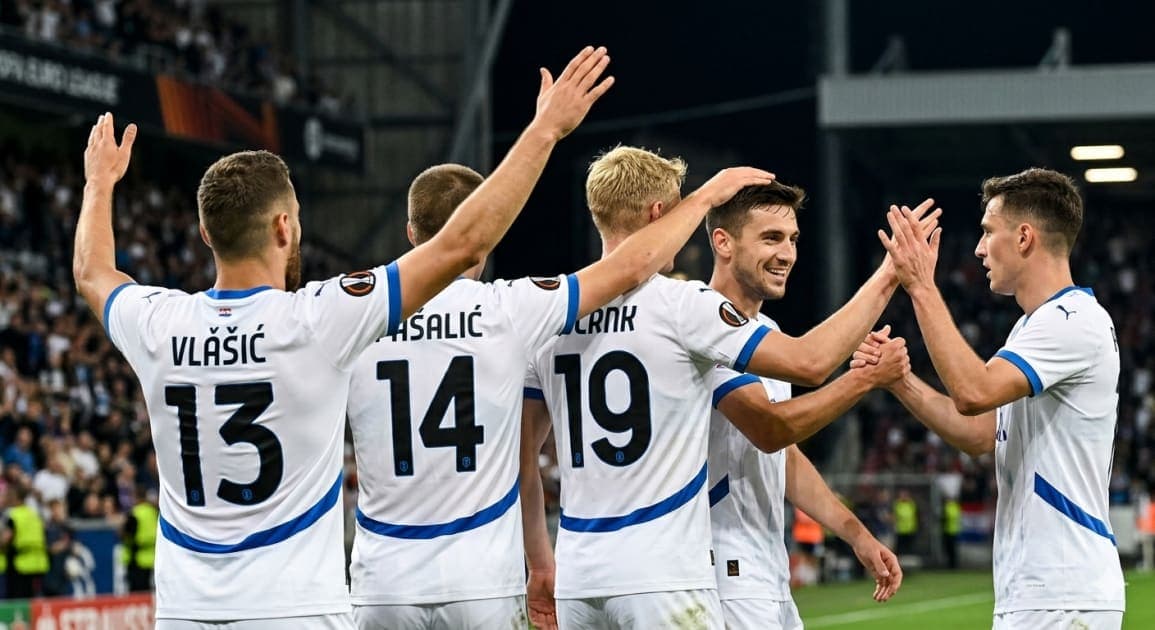
Croatia has about 4 million people, and at the last two World Cups it reached a final and a semi-final. Most of the explanation fits in one name: Luka Modrić. The little magician is 40 and still runs midfields, but 2026 will be his last dance, and the rest of the squad will run through walls to give the finest footballer Croatia has produced a proper farewell.
Zlatko Dalić is the manager. Joško Gvardiol and Mateo Kovačić complete the core with Modrić.
How does a small country keep doing this?
Talent helps. Modrić at 40 is still a world-class midfielder, and his passing, vision and reading of the game have not aged. Gvardiol is one of the best young centre-backs on the planet at Manchester City and locks down the defence. Kovačić, also at City, brings Premier League steel and the ability to carry the ball through midfield.
Culture helps more. Dalić has built a squad in which every player gives everything for the man next to him, and the results speak for themselves: the 2018 final, the 2022 semi-final, a tournament record that is extraordinary for a nation of that size.
Croatia at a World Cup are always dangerous. This time they also have the emotion of Modrić's farewell pushing them on, and that can carry a team a long way. The obvious worry is the other side of the same story. Can a 40-year-old midfielder carry them through one more tournament?
Tomorrow: number 10.