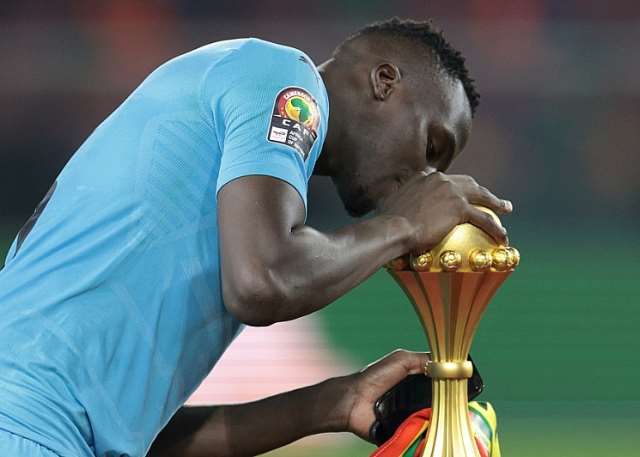
AFCON's biennial switch cost the Confederation of African Football (CAF) a massive deal worth over $1bn. The governing body abandoned a secured income of at least $1bn over eight years because it decided to change the Africa Cup of Nations from a biennial to a four-yearly event.
It is a staggering blow for the continent's football administration. The Guardian can reveal that the move toward a four-year tournament cycle effectively killed a long-term financial lifeline that could have stabilized the sport across Africa.
Why did CAF lose the $1bn deal?
CAF lost the $1bn deal because the governing body decided to switch the Africa Cup of Nations from a biennial to a four-yearly event, resulting in the abandonment of a long-term financial agreement.
This decision has left the governing body in a precarious financial position. Since 2019, CAF has struggled to secure a long-term financial deal to anchor its massive operations.
On 5 July 2025, CAF president Patrice Motsepe spoke to The Guardian in Rabat. This was on the eve of the delayed Women’s Africa Cup of Nations in Morocco. Following a prolonged discussion about the bidding process at an executive committee meeting, Motsepe stated that a decision on a winning bid would be made “in due course.”
Wamma! The timing could not be worse for the organization. While the shift to a four-year cycle might align the tournament with the FIFA World Cup calendar, the immediate price tag is a billion dollars lost from the coffers.
The cost of the AFCON biennial switch
The financial implications of the biennial switch are massive, affecting the total secured income for the organization.
- Total lost value: At least $1bn
- Duration of lost deal: Eight years
- Impact: No long-term financial deal since 2019
This decision leaves African football administrators in a tight spot as they look for new ways to fund the continent's premier tournament. The shift to a four-year cycle is a massive gamble that has already cost the governing body its most significant potential windfall.
How did the scheduling change affect CAF?
The scheduling change to a four-year cycle caused CAF to abandon an eight-year, $1bn financial agreement that would have provided significant secured income.
How will CAF recover the lost $1bn?
CAF will need to find new broadcasting or sponsorship partners to replace the eight-year deal that was abandoned due to the tournament cycle change.
Source: The Guardian