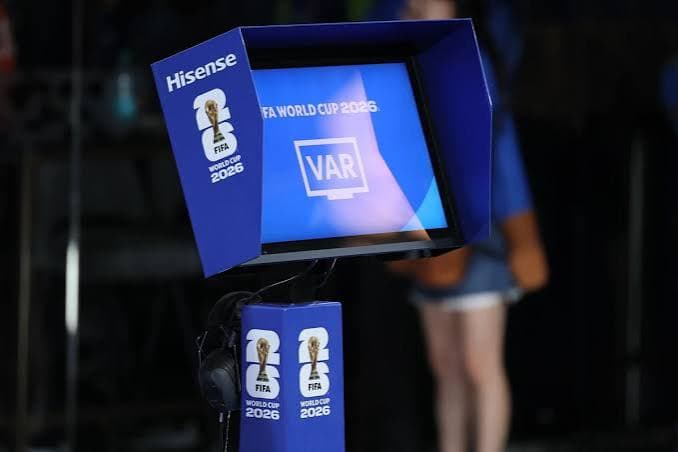
FIFA VAR change means match‑review officials will now sit inside the stadiums instead of a Dallas hub, starting with Thursday’s France‑vs‑Morocco quarter‑final. The decision follows a wave of criticism over off‑pitch tech failures.
Why did FIFA move VAR from Dallas to the stadium?
The change was prompted by technical glitches that jeopardised decision accuracy during earlier rounds. By locating VAR teams directly in the venue, FIFA hopes to reduce latency and avoid costly disruptions.
How will this affect high‑stakes knockout ties?
The first match to feel the difference is the France versus Morocco clash. With VAR on‑site, re‑plays will be quicker and less prone to signal loss. The move also raises questions over fairness, as Argentine officials, Facundo Tello and Hernán Mastrangelo, dominate the current panel. Five of the seven flag‑raisers for the Boston quarter‑final are Argentine.
What’s the reaction from teams?
Egypt’s manager Hossam Hassan blasted the system after the 3‑2 win over Egypt, saying it ‘failed the underdogs’. He argued that key calls should have gone the other way. France, meanwhile, has expressed confidence that the new setup will give referees the clarity they need.
Will the shift improve VAR credibility?
The intent is clear: make VAR decisions faster and more reliable. Whether this will convince teams and fans remains to be seen. A smoother review process may lift some skepticism, but critics will still scrutinise Argentine dominance.
Final question: Will the VAR relocation last beyond the World Cup?
FIFA is evaluating the pilot. If the in‑stadium model proves fault‑less, it could become the new standard for future tournaments.
Source: Mirror